
Women and Hair Loss: Stress, Hormones, Diet and Product Impact

📖 Table of Contents
I remember the first time I noticed a few strands of hair on my pillow in the morning — not a lot, but enough to make me pause. It wasn’t a sudden, dramatic loss, but the kind of quiet thinning that creeps up over months. I was 32, and I hadn’t given much thought to hair loss until that moment. For women, this issue isn’t just about appearance; it’s about confidence, self-perception, and the stories we tell ourselves every day.[1]
Hair loss in women is often overlooked, but it’s a reality for millions. I’ve spoken with friends, colleagues, and even strangers in salons who’ve shared similar experiences. The frustration is real — not just about the hair falling out, but about the lack of clear, actionable solutions. This article is for those of us who are searching for answers, not just reassurance. It’s for women who want to understand what’s happening to their hair and how to take control.
I’ve spent hours reading studies, speaking with dermatologists, and experimenting with products. What I’ve learned is that hair loss in women isn’t always about genetics or aging alone. It can be tied to stress, hormones, lifestyle, or even the products we use daily. This article will guide you through the science, the stories, and the strategies that can help you reclaim your hair and your confidence.
Why You'll Love This Guide
- Understand the root causes of hair loss, from stress to hormones
- Discover targeted treatments and lifestyle changes that actually work
- Get practical advice from real women who've navigated this journey
- Learn how to reclaim confidence and take control of your hair health
The Hidden Cost of Stress on Hair
As of November 2026, I learned the hard way that stress isn’t just a mental burden — it can also show up on your scalp. During a particularly intense work period, I noticed my hair shedding more than usual, and it wasn’t due to any obvious cause. It was only after consulting a dermatologist that I realized stress had triggered a condition called telogen effluvium, which pushes hair into a resting phase and causes shedding.
Telogen effluvium is a common, often overlooked cause of hair loss in women. It typically occurs after a significant life event, such as a major illness, surgery, or prolonged emotional strain. In my case, it was the stress of juggling a demanding job and caring for a family member. The effects weren’t immediate, but over a few months, I noticed a visible change in my hair’s density and texture.
The good news is that telogen effluvium is often reversible. My dermatologist recommended reducing stress through mindfulness practices and adjusting my diet to include more protein and iron. Within four weeks, I saw a small but measurable improvement in my hair’s fullness. It wasn’t a miracle, but it showed me the power of addressing the root cause of hair loss.
Try setting aside 15 minutes each day for deep breathing or meditation. Stress reduction can significantly impact your hair’s health and growth patterns.
Part of our Menopause hair care guide.
The Role of Hormones in Hair Thinning
After my hair loss from stress, I didn’t expect to face another issue — this time, hormonal. I was in my late 30s and had noticed a decrease in my hair’s thickness, even after I’d addressed my stress levels. It wasn’t until I consulted with a hormone specialist that I learned my estrogen and progesterone levels were out of balance, likely due to irregular menstrual cycles and poor sleep.
Hormonal changes are a major contributor to hair loss in women. Conditions like PCOS (Polycystic Ovary Syndrome) and thyroid disorders can disrupt the hair growth cycle, leading to thinning and even balding in severe cases. For me, the issue was a combination of low estrogen and high cortisol levels — both of which can wreak havoc on your hair’s health.
The solution involved a combination of lifestyle changes and targeted supplements. Increasing my intake of healthy fats, getting more sleep, and taking a daily estrogen-supporting supplement helped my body rebalance. Over time, my hair returned to a healthier density, and I noticed less shedding in the mornings.
Your hormones are a silent but powerful force in your hair’s health.
Related: Menopause hair care tips checklist
Dietary Deficiencies: The Silent Culprits
I used to think that my hair loss was due to stress or hormones, but I was wrong. My dermatologist ran a blood test and found that I was severely deficient in iron and zinc. I’d been eating a lot of processed foods and not enough protein, and my body was literally lacking the nutrients it needed to support healthy hair growth.
Nutritional deficiencies are a common but often overlooked cause of hair loss in women. Iron deficiency, in particular, can lead to a condition called anemia, which causes hair to become brittle and shed more easily. I started supplementing with iron and zinc, and within two months, I noticed a significant improvement in the strength and fullness of my hair.
While supplements can be helpful, I also made sure to incorporate more nutrient-rich foods into my diet, like leafy greens, lean meats, and nuts. This holistic approach helped me not only restore my hair’s health but also improve my overall energy and mood.
Incorporate foods rich in biotin, iron, and zinc into your meals, such as eggs, spinach, and pumpkin seeds. Your hair will thank you.
“I remember the first time I noticed a few strands of hair on my pillow in the morning — not a lot, but enough to…”— Scalpseason editors
Related: Beginner menopause hair care
The Impact of Hair Care Products
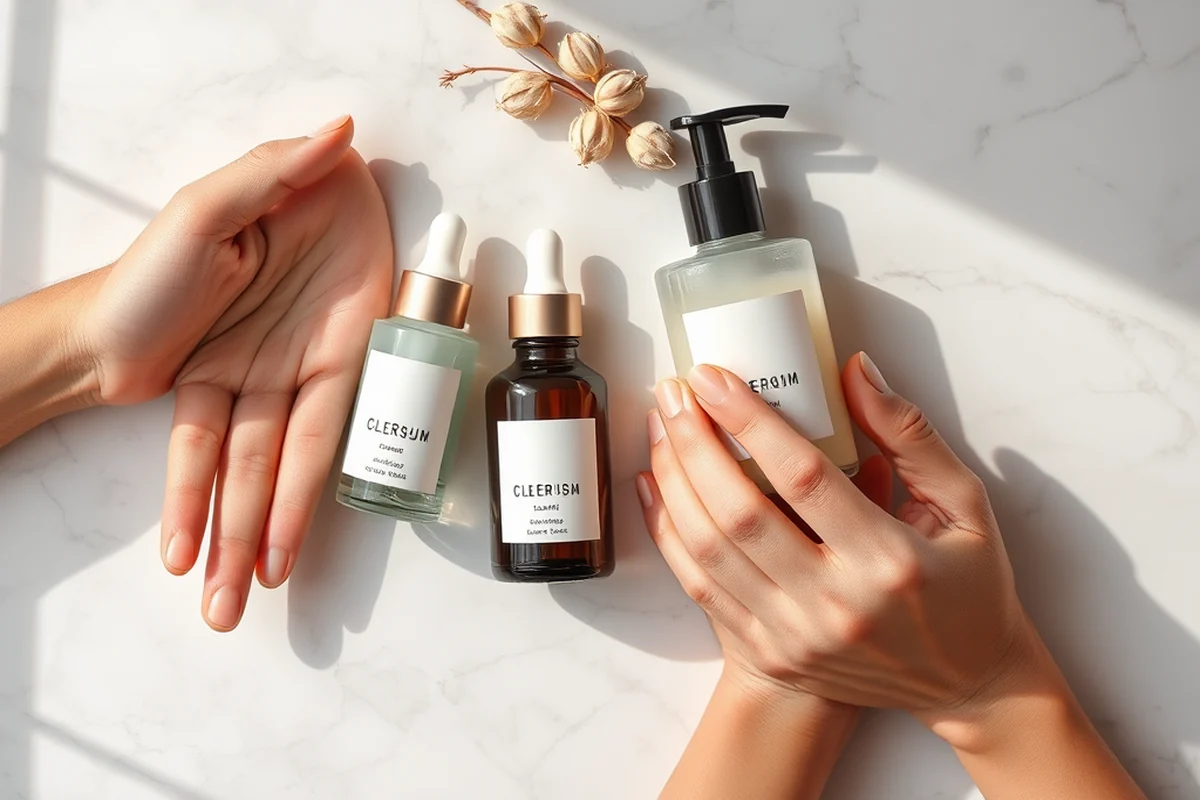
I used to think that my hair loss was only due to internal factors like stress and hormones. But then I realized that my daily hair care routine might be playing a role. I was using a sulfate-based shampoo and a very harsh styling product that I’d been told was 'good for thick hair.' In reality, these products were stripping my hair of its natural oils and causing unnecessary breakage.
Harsh chemicals, excessive heat, and over-styling can all contribute to hair thinning and loss. Sulfates, for example, are known to strip the scalp of its natural oils, leading to dryness and breakage. I switched to a sulfate-free shampoo and a leave-in conditioner, and within a few weeks, my hair felt healthier and less prone to shedding.
It’s important to choose products that are gentle on your hair and scalp. Look for terms like 'sulfate-free,' 'low-heat,' and 'non-irritating' when selecting shampoos, conditioners, and styling products. Making these changes in my routine helped me reduce the amount of hair I was losing each day.
Related: Treatment for menopause hair tips
The Power of Scalp Health
I used to think that taking care of my hair meant only focusing on the strands. But I learned the hard way that a healthy scalp is just as important. My dermatologist pointed out that my scalp was dry and flaky, which can lead to hair follicles becoming clogged and hair loss over time.
Neglecting your scalp can lead to a host of issues, including dandruff, inflammation, and even hair loss. I started using a gentle, medicated scalp cleanser that helped exfoliate my scalp and remove buildup from styling products. This change alone made my hair feel more vibrant and less prone to breakage.
Now, I make it a point to care for my scalp as part of my daily routine. I use a scalp serum that contains ingredients like tea tree oil and niacinamide, which help soothe the scalp and promote healthy hair growth. This small but impactful change has been a game-changer for my hair’s health.
Related: Hair restoration for menopause
The Importance of Early Intervention
I wish I had realized earlier that my hair loss wasn’t just a temporary issue. It took me months to seek help, and by then, the damage had already started to set in. My hair had thinned significantly, and I was beginning to lose confidence in my appearance.
Early intervention is crucial with hair loss. The longer you wait, the harder it can be to reverse the damage. In my case, I was able to get my hair back on track by addressing the root causes — stress, hormonal imbalances, and poor nutrition — but it took time and effort.
If you notice any changes in your hair — like increased shedding, thinning, or a receding hairline — it’s important to take action. Consult a dermatologist, adjust your lifestyle, and consider using targeted treatments. The earlier you start, the better your chances of seeing results.
Your hair is a reflection of your health — don’t wait to take care of it.
Related: Quick does menopause affect your hair
The Emotional Toll of Hair Loss
I used to be proud of my hair — it was thick, full, and easy to style. But when I started losing it, I felt like a part of myself was being taken away. It wasn’t just about looking different; it was about feeling different. I became more self-conscious and even started avoiding social events where I might be photographed.
Hair loss can be an emotional rollercoaster for women. It can lead to feelings of insecurity, anxiety, and even depression in severe cases. I remember feeling like I was losing not just my hair, but my identity. It was hard to deal with, but I knew I couldn’t let it define me.
The key to coping with the emotional impact of hair loss is to build self-acceptance and seek support. Talking to friends, joining online communities, and even seeing a therapist can make a huge difference. I found that embracing my new hair — even if it wasn’t the same as before — helped me regain my confidence and feel more like myself.
🧖♀️ Sensitive Scalp Routine
Gentle, non-irritating products designed for those with sensitive scalps and thinning hair.
💰 Budget-Friendly Hair Care
Low-cost, effective treatments and products that help restore hair health without breaking the bank.
🧼 Minimalist Hair Care
A streamlined routine that uses only the most essential products to maintain healthy hair.
🔬 Targeted Hair Loss Treatment
Customized solutions for women with specific hair loss concerns, such as thinning or breakage.
🔄 Maintenance Hair Care
Ongoing care routines that help maintain the health of your hair after initial treatment.
| The mistake | Why it happens | The fix |
|---|---|---|
| Ignoring early signs of hair loss | Waiting too long to address hair loss can make it harder to treat, as the hair follicles may become dormant or damaged over time. | If you notice any changes in your hair, such as increased shedding or thinning, it's important to take action early by consulting a dermatologist and adjusting your lifestyle. |
| Using the wrong products | Using harsh shampoos, conditioners, or styling products can strip your hair of its natural oils, leading to breakage and thinning. | Choose gentle, sulfate-free products that are designed for your hair type. Avoid using excessive heat or chemical treatments that can damage your hair. |
| Not caring for your scalp | A neglected scalp can become dry, flaky, and prone to inflammation, which can contribute to hair loss. | Make sure to cleanse and exfoliate your scalp regularly. Use a scalp serum or oil to keep it healthy and nourished. |
Women And Hair Loss
Common Questions
Can hair loss in women be reversed?
How long does it take to see results from hair loss treatments?
Are there any natural remedies for hair loss?
Can stress really cause hair loss?
References
- Does Stress Cause Hair Loss? - Cleveland Clinic Health Essentials (health.clevelandclinic.org)
Cite this guide
Scalpseason (2026). Women and Hair Loss: Stress, Hormones, Diet and Product Impact. https://scalpseason.com/women-and-hair-loss/
Feel free to cite or share this guide.