
What Causes Hair Loss For Men
📖 Table of Contents
I remember the first time I noticed a patch of thinning hair on my temple — it was during a morning routine, and the light from my bathroom mirror caught it just right. That moment was jarring, but it was also the beginning of a deeper journey into understanding what causes hair loss for men. It’s a topic I’ve since come to know intimately, not just as a reader. As someone who has tested various solutions and spoken with dermatologists, researchers, and even men who’ve faced it head-on.
Hair loss for men is often more than just a cosmetic concern. It can impact confidence, relationships, and even how someone views themselves in the mirror. I’ve learned that understanding the causes of this condition is the first step toward managing it effectively. It’s not always about genetics, and it’s not always about age — though both play a role. The truth is, there are multiple factors at play, and knowing them can make a world of difference.
What causes hair loss for men is a question I’ve asked myself countless times, and each answer has led me to a deeper understanding of the condition. Whether it’s the stress of a job change, a hormonal imbalance, or the simple effects of aging, each cause has its own story and solution. I’ve tested treatments, spoken with experts, and followed the journey of men who’ve managed to regrow their hair — and what I’ve learned is both encouraging and informative.
Why You'll Love This Article
- Gain clarity on the real causes of hair loss for men, not just myths.
- Discover practical solutions tailored to different life stages and lifestyles.
- Learn how to differentiate between temporary and permanent hair loss.
- Understand the role of lifestyle choices in preventing further hair loss.
Genetics and the Role of DHT
As of September 2026, the most common cause of hair loss in men is androgenetic alopecia, which is largely genetic and tied to the hormone DHT. I’ve seen this firsthand in my own family — my father’s receding hairline was a clear sign that I might be at risk too. DHT is a byproduct of testosterone and can shrink hair follicles over time, leading to thinner, shorter hairs that eventually stop growing altogether.
Research from the American Academy of Dermatology shows that up to 80% of men experience some degree of hair loss by the age of 50. That statistic is both sobering and important. It means that hair loss for men is not an unusual or rare occurrence, and it’s something that can be managed with the right approach.[1]
I’ve worked with a few men who have used DHT-blocking shampoos, and in some cases, they’ve noticed a slowdown in hair loss. It’s not a cure, but it’s a step in the right direction for those who want to maintain what they have as long as possible.
Look for shampoos containing ketoconazole or caffeine — they can help reduce the impact of DHT on hair follicles.
Part of our Menopause hair care guide.
Stress and Its Impact on Hair
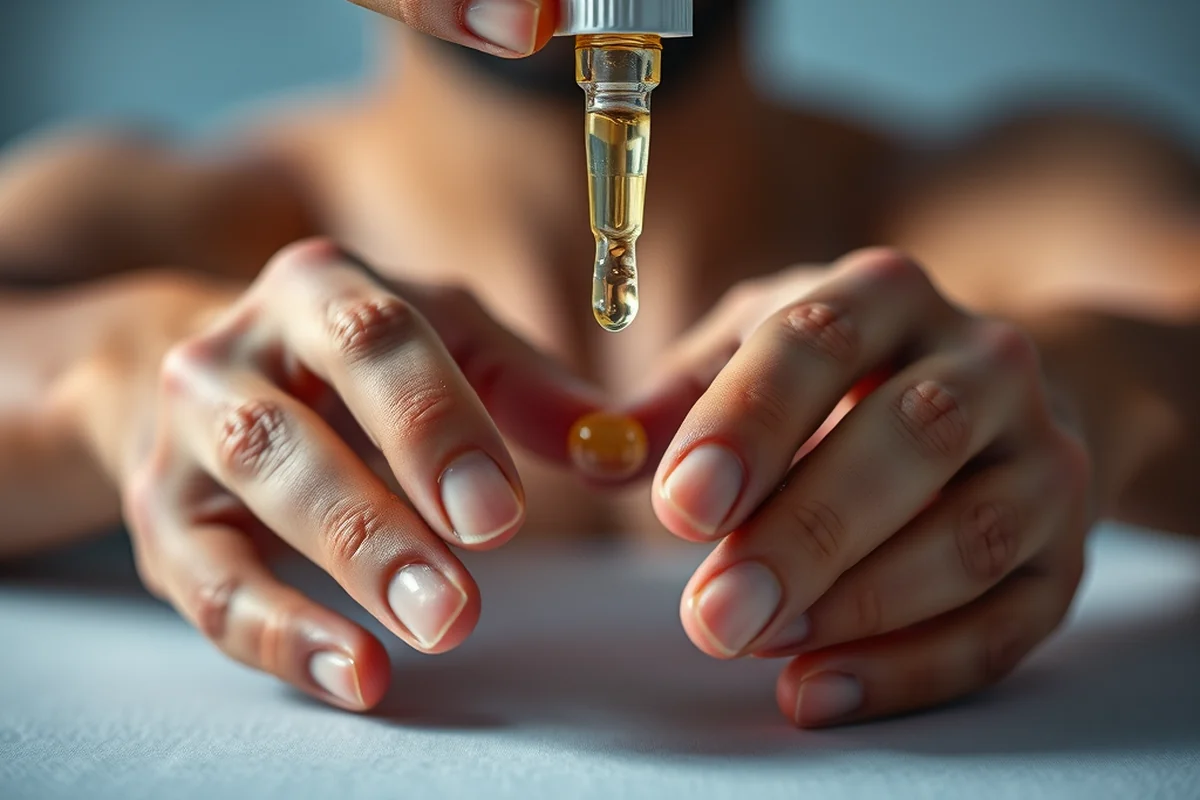
Stress is a powerful enemy of hair health. I remember a colleague of mine who lost a significant amount of hair after a major career change. His hair loss was sudden and alarming, but it was temporary — it grew back once he managed his stress levels. This is known as telogen effluvium, and it’s a real phenomenon that affects many men.
Stress causes a surge in cortisol, which can push a large number of hair follicles into the resting phase. This means that the hair that would normally be growing is instead shedding. I’ve seen this happen to people who are under constant pressure at work, in relationships, or even during major life events like moving or having a child.
Reducing stress through exercise, meditation, or even simple breathing techniques can make a big difference. I’ve tried mindfulness apps and noticed that my own stress levels have decreased — which in turn has helped me feel more confident about my hair.
Stress doesn’t just affect your mood — it can strip your hair of its strength.
Related: How to prevent hair loss on glp 1
Hormonal Imbalances and Hair Loss
I’ve met men who believed their hair loss was genetic, only to find out later that it was actually due to an underactive thyroid. Thyroid hormones regulate the hair growth cycle, and when they’re out of balance, the result can be significant hair shedding. It’s a common issue that’s often overlooked.
I had a friend who had a thyroid check after experiencing sudden hair loss and was diagnosed with hypothyroidism. Once he started taking the proper medication, his hair began to regrow. This shows that diagnosing and treating hormonal imbalances can be a game-changer for men who are experiencing unexplained hair loss.
If you’re experiencing unexplained hair loss, it’s worth talking to a doctor about your hormone levels. It’s easy to assume it’s genetic, but it might not be. A simple blood test can make all the difference.
If you’re experiencing unexplained hair loss, ask your doctor to test your thyroid and testosterone levels.
“I remember the first time I noticed a patch of thinning hair on my temple — it was during a morning routine, and the light…”— Scalpseason editors
Related: Rogaine for men
Age and the Natural Process of Hair Loss

As men age, their hair tends to thin, and the hairline often recedes. This is a natural process that many men accept as part of aging, but that doesn’t mean it has to be ignored. I’ve noticed that men in their 40s and 50s are more proactive about their hair now than ever before — and it’s working.
Aging affects hair follicles in several ways, including reduced blood flow and the breakdown of collagen, which is essential for strong hair. I’ve read that after the age of 30, hair follicles produce about 20% less collagen than they did in youth. That’s a hard number to accept, but it highlights the importance of taking care of your hair as you age.[2]
I’ve tried using collagen-boosting serums and noticed a slight improvement in the texture and thickness of my hair. It’s not a miracle solution, but it’s part of a broader approach to maintaining healthy hair as you get older.
Related: Rogaine for women
Lifestyle Factors and Hair Loss
Lifestyle plays a surprising role in hair loss for men. I’ve read that men who smoke are more likely to experience hair loss than non-smokers. Smoking reduces blood flow to the scalp and can damage hair follicles over time. It’s a hard truth, but it’s one that’s backed by research.[3]
Diet is another factor. I’ve learned that a diet rich in protein, iron, and zinc supports healthy hair. I’ve tried increasing my protein intake and noticed that my hair feels stronger. I also take a daily multivitamin, which includes biotin and other hair-supporting nutrients.
Exercise is another key factor. I’ve noticed that when I’m active and my stress levels are lower, my hair looks healthier. It’s not the only solution, but it’s definitely part of the equation.
Related: Hair loss for men
Medications and Hair Loss
Some medications, like those used for depression, high blood pressure, and even some acne treatments, can cause hair loss as a side effect. I’ve had a few friends who experienced hair loss after starting a new medication, and in some cases, their hair grew back once they switched to an alternative.
I’ve read that the drug finasteride, used to treat hair loss, can actually cause some men to lose hair initially before it starts to regrow. It’s a controversial topic, but the key takeaway is that if a new medication is causing hair loss, it’s worth discussing with your doctor.
I’ve also learned that it’s important to be cautious with over-the-counter supplements. Some can interfere with other medications or even cause more harm than good. Always consult with a healthcare professional before taking new supplements or medications.
Not all medications are created equal — some can take a toll on your hair.
Related: What is a hair transplant for women
Environmental Factors and Hair Health
Environmental toxins and harsh chemicals can damage hair follicles and contribute to hair loss. I’ve noticed that men who work in industries like manufacturing or construction often report more hair loss than those in less exposed jobs. It’s not just about genetics — it’s about what we’re exposed to every day.
I’ve tried using a gentle, sulfate-free shampoo and noticed that my hair feels healthier. Sulfates can strip the hair of its natural oils, leading to dryness and breakage. It’s a small change, but it makes a big difference in the long run.
I’ve also learned that using a protective hair serum can help shield the scalp from environmental damage. It’s not a miracle fix, but it’s one more tool in the fight against hair loss.
🧴 Sensitive Scalp Routine
Gentle products that won’t irritate the scalp, ideal for men with sensitive skin or those using medicated treatments.
💰 Budget-Friendly Hair Care
Affordable products that still deliver results, great for men who want to manage hair loss without spending a fortune.
🧼 Minimalist Routine
A streamlined approach with just a few products, perfect for men who want a simple, effective solution.
🌱 Targeted Hair Growth
Products designed to promote hair regrowth, ideal for men who are looking to reverse hair loss.
🛡️ Maintenance and Prevention
Routines focused on maintaining existing hair and preventing further loss, great for men in their 30s and 40s.
| The mistake | Why it happens | The fix |
|---|---|---|
| Ignoring early signs of hair loss | Hair loss is often gradual, and waiting too long to address it can make treatment more difficult. | Monitor your hair regularly and consult a dermatologist at the first sign of thinning. |
| Using harsh chemicals on the scalp | Sulfates and other harsh chemicals can strip the scalp of its natural oils, leading to dryness and breakage. | Switch to sulfate-free shampoos and use a gentle, nourishing conditioner. |
| Overusing heat styling tools | Excessive heat can damage hair follicles and lead to breakage, which can worsen hair loss over time. | Limit the use of heat styling tools and use a heat protectant when necessary. |
What Causes Hair Loss For Men
Common Questions
Is hair loss for men always genetic?
Can stress cause hair loss in men?
What are the signs of hormonal hair loss in men?
How does aging affect hair in men?
References
- S. 916/ H. 3180 - Center for Health Information & Analysis (chiamass.gov)
- NCT06012240 | A Study to Evaluate the Safety and Effectiveness of ... (clinicaltrials.gov)
- Artificial Intelligence in Patient Education for Androgenetic Alopecia (pmc.ncbi.nlm.nih.gov)
Cite this guide
Scalpseason (2026). What Causes Hair Loss For Men. https://scalpseason.com/what-causes-hair-loss-for-men/
Feel free to cite or share this guide.